Follow Us
- 202 Glenwood Ave. Haddonfield, NJ 08033
- 888-251-1676
- sales@dev18.sagapixel.net
- 202 Glenwood Ave. Haddonfield, NJ 08033
- 888-251-1676
- sales@dev18.sagapixel.net
Give your energy costs
a clearer direction.
A properly planned solar system can support stronger savings and long-term value.
For many property owners, the real question is not whether solar sounds appealing. It is whether the numbers, roof conditions, and long-term savings actually make sense for the building. A well-planned system gives you a clearer way to evaluate energy costs, understand production potential, and decide whether solar fits the way your property uses power.
Hainesport has the kind of property mix that makes careful solar planning especially important. Some homes sit near mature tree cover and wooded roads, while others have more open roof exposure. Commercial properties closer to local travel corridors may have different electrical demands than a residential home tucked closer to the Rancocas Creek area.
A roof near Rancocas State Park may call for a more thoughtful shade review, while a property closer to Marne Highway or Route 38 may raise different questions about system size, electrical capacity, and long-term usage. Those details can shape the design, the expected output, and the overall value of solar panel installation in Hainesport. Impact Solar brings licensed New Jersey installation experience, NABCEP-certified leadership, U.S.-made equipment, and direct support after the system is active.


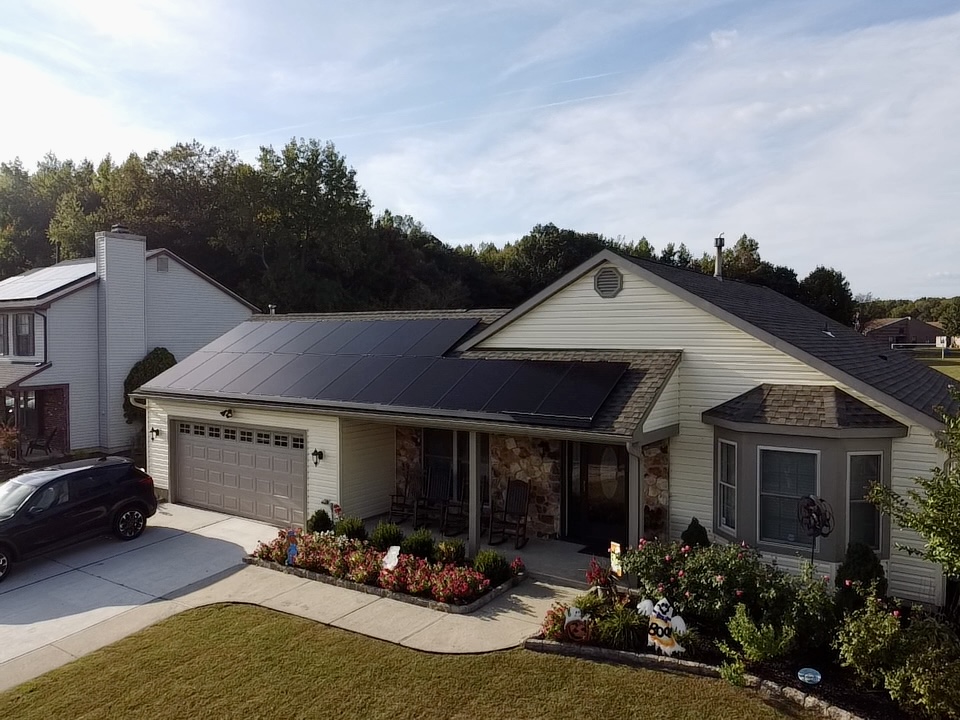
"I am very happy with my experience with Impact Solar." Chris A. - Real Experiences From Homeowners Who Made the Switch
Posted onTrustindex verifies that the original source of the review is Google. Great experience with Impact. Rob, Jeff, Michelle and Sean were all fantastic. True professionals at what they do. The entire process was smooth from start to finish. The fact that the owner is on site for the install was paramount for me. They delivered in every aspect. The cost was also more than half what a big company quoted me and the warranty included is unmatched. Fantastic small business! Thanks, Impact!Posted onTrustindex verifies that the original source of the review is Google. I had been kicking around the idea of solar for a while and then I walked by a solar sales guy at my local Costco. Got a quote and it ended there. The price was astronomical. plus, I needed a new roof. So, I started doing more research. I called 9 different companies and spoke to 9 sales guys. Only one that didn’t sound like they were selling me was Jeff over at Impact Solar. In fact, Impact was recommended by the roofer. But after speaking with Jeff and him going into more detail and answering every stupid question I had and giving me even more info about things I didn’t think about I decided to take the next step. Jeff scheduled a site visit (had 4 others done already). Rob showed up, Rob is the owner and walked me through everything during the site visit. He also did things others didn’t. He measured the sun and shading showed me what it looks like, talked me through what he thought would work best and how to go about it. I was amazed at all the little things no one ever bothered to explain that I wouldn’t think to ask. I spoke some more to Jeff asking the same questions and digging deeper. Jeff was always professional always happy to explain and always got an answer for me on technical stuff if he didn’t know. We worked out the final price and I was happy where I was. (Impact happened to also have the best price) They also had a very good payment process and what I mean is that you make 3 payments. 10% down at contract signing (which by the way is 4 or 5 pages not 50) contract is also written in plain language. 60% due at install (that’s when the panels are on the roof and tested) and the final 30% is due once you get the approval to operate. This keeps the contractor honest and interested to get you to the finish line so they can get paid. Once I signed the contract and made my initial down payment it was a matter of just waiting, and waiting. But not for Impact they got right to work. I had the pleasure of dealing with Michelle who was just as amazing as Jeff. She walked me through the steps we needed to take. First, they sent me paperwork for my Utility application and paperwork for the NJ Application and paperwork for my permits with the township. I spent time waiting for the paperwork to get processed but not for Impact. Every time something moved forward and they can action another step I was contacted within 1 day. They also coordinated with the roofers and most importantly they scheduled the roof and solar install in a way that they can run wiring while the roof was up and open so as to hide as much as possible. Once I got all the Oks and the Permits and the approvals in place things moved fast. Roofers were out within a week and Impact was on site to do their piece while the roof was wide open. Rob and team showed up and got right to work. Not only that but because I lost power several weeks before due to a storm, I had impact also run a generator plug for me. Let me tell you they did an amazing job. And the box was installed as if it always belonged there. All the wiring is hidden nothing running across the roof or down the side of the house everything is tucked away or in the rafters. I don’t know how they did it but its is Super Clean. After that they were out for 2 more days to finish the panel install. Rob walked me through the next steps, showed me how everything is supposed to work. Tested the panels and was on his way. Michelle immediately scheduled all the inspections at the earliest possible date so we can finish everything and I just had to wait for the township to show up and issue approvals. Michelle was on site for the inspections to make sure it goes smoothly. Next day I picked up the certificate of approval so as not to wait for snail mail and Michelle efficient as always immediately got part 2 of all the applications moving with the Utility and the State and a week later, I was approved to operate. Almost 2 years in and I am still very happy. Thanks to the Impact Team for doing such a great job.Posted onTrustindex verifies that the original source of the review is Google. I recently had solar panels installed by Impact Solar, and I cannot recommend them highly enough. From start to finish, the entire process was professional, transparent, and remarkably efficient. I first spoke with Jeff, who helped me design the perfect plan for my system. He was honest and upfront about expectations and costs, never once making me feel pressured. He took the time to answer all my technical questions, ensuring I felt confident in the investment. The logistics were handled flawlessly. Sean was a huge help throughout the process, keeping me updated at every step. I also want to give a special thanks to Michelle, who worked tirelessly behind the scenes. Her organization kept everything moving smoothly and made the administrative side of things a breeze. When it came to the actual install, Rob, the owner, personally oversaw the work to ensure everything was up to his high standards. Not only was the crew professional and reliable, but they actually completed the installation ahead of schedule. Beyond the great service, their pricing is very competitive, and they offer one of the best warranties I’ve seen in the industry. If you are looking for a solar company that is honest, timely, and delivers high-quality work, look no further.Posted onTrustindex verifies that the original source of the review is Google. We’ve been approached by many solar companies to include 1 that was a family friend. We never felt comfortable with any of them until a neighbor recommended Impact Solar. What a great company. Extremely friendly, efficient and professional. This was a substantial project and yet so easy and stress free to complete. They handled everything from start to finish and kept us apprised along the way. A truly great and friendly company. Now we are watching our electric bill go from $450 to $10 month.Posted onTrustindex verifies that the original source of the review is Google. Impact solar installed a 17kW solar system on our house. The entire crew is fantastic to work with — professional, responsive, and efficient from start to finish. We couldn’t be happier with the entire process and the results. I highly recommend Impact Solar!Posted onTrustindex verifies that the original source of the review is Google. I've been researching solar for many years now and I was extremely put off by all the horror stories I'd heard online. Leasing was not an option for me because I wanted the financial benefits that came with owning my own system. It wasn't until a close friend of mine got solar installed by Impact Solar that I was more open to the idea again. My friend spoke very highly of both Rob and Jeff along with the quality of work they provided during the install and the amazing customer service they continued to receive years later. At this point I was sold and reached out for an estimate. Everyone with this company is professional and extremely efficient from the timeline for the project to the actual installation of the panels. The process started off with an extremely detailed and informative conversation with their sales rep Jeff Oerm. He laid out the whole process and timelines for me so I could make a completely informed decision. The second step was the site inspection which was performed by Rob Warran. He was extremely professional and knowledgeable and took the time to walk through the site inspection process with me. He was also physically on site on the actual install day and oversaw the whole process. The next step was all the admin, compliance and permitting. The program managers, Michelle Morrison and Sean Stopper did an amazing job with filing all the necessary paperwork with the state and local government along with the utility company to make sure there were no delays and everything went smoothly. During the whole process they kept me well informed and were extremely responsive to any inquiries I had, via email or by phone. Lastly, on the final install day the site crew was extremely professional. I was very impressed with how they communicated with each other during the install. They were a well oiled machine working in harmony with each other to get the job done extremely fast while not sacrificing the quality. They completed the job in less than two days with minimal impact on my daily routine. On the day of the inspection, the township inspector gave us a window between 830am-230pm. Sean was on site at 800am getting the circuit breaker panels opened and ready for the inspector. After that he patiently worked remotely out of his car until the inspector arrived. This whole crew is extremely professional and dedicated to the work they do and amazing customer service. I would have no issues recommending Impact Solar to my own family. I am 100% satisfied with my decision.Posted onTrustindex verifies that the original source of the review is Google. Impact Solar recently installed solar panels on my house, having previously installed a Tesla wall charger for my car. The whole solar install was perfectly and expertly handled, from calls, on-site visits, quotes, all the paperwork and approvals before and after installation. Rob, Sean, Michelle and the whole installation crew were always easy to deal with and had my total confidence with the timeline and approvals. The installation was done in a day and everything left tidy afterwards. I would totally recommend Impact for any installations.Posted onTrustindex verifies that the original source of the review is Google. Everyone at Impact Solar was fantastic to work with. My install is about two months old and working as expected. They explain everything and help guide you through every step. They know how to navigate the process from dealing with AC electric, permits to rebates leaving me 100% informed on what to expect and how things were progressing. They were prompt, reliable and professional from my first contact with Jeff to the rest of the install crew. They work as team, and everyone was great to work with. Jeff, Rob, Sean, Michelle, Brandon and the rest of the crew are all 100% professionals. If you are even thinking about going solar give them a call. The worst that will happen is you will be educated and at best you will be on your way to some relief from being caught up in all the electric rate increases in the future.Posted onTrustindex verifies that the original source of the review is Google. Impact Solar was fantastic! I came in knowing exactly what I wanted, and Jeff, Michelle, and Shawn worked with me to customize the perfect design for my needs. Their communication was excellent every step of the way. Rob and Brandon handled the install, and I was blown away by how clean it was—no unsightly conduits on my house at all. Now, after a year with my system, I can say it has performed exactly as promised. While others were hit with higher utility rates this summer, I had peace of mind knowing exactly what I was spending. I couldn’t be happier and highly recommend them!Posted onTrustindex verifies that the original source of the review is Google. Our experience with Impact Solar LLC was characterized by a consistently high level of professionalism and clear communication from start to finish. From the initial contact with Jeff Orem, we were provided with comprehensive information, setting a positive tone for the entire project. This professionalism extended seamlessly through every stage, including the detailed installation process, inspection, successful commissioning of the system, and finally, the crucial Permission to Operate (PTO). Rob Warren guided us through the installation, offering excellent advice and maintaining transparency with an honest and accurate timeline for the entire project. This clarity helped manage expectations and ensured a smooth progression. We deliberately waited to provide our review, wanting to confirm that the system not only worked as promised but also delivered the designed performance, which it has. We are currently projected to see our first ACE bill with a credit for excess energy produced. Throughout the process, Sean Stopper was an invaluable resource. His helpfulness and consistent availability to answer any questions we had made a significant difference, providing peace of mind. A particular highlight was the installation itself, which was exceptionally clean. We were impressed that there were no unsightly conduits visible across the roof or down the side of the house, indicating a commitment to aesthetics and quality workmanship. Given this positive and well-managed experience, we would highly recommend Impact Solar LLC to others.
We’re Working with
1
Before a system is designed, the property has to tell its story. We review roof condition, shade patterns, electrical capacity, and prior utility usage so the recommendation is based on real site conditions instead of a rough production estimate.
2
The system design takes shape around the roof, the available sunlight, and the amount of electricity you want to offset. That helps prevent a layout that is too generic, too large, or poorly matched to the way the property actually uses power.
3
A solar project has several approval steps before panels can begin producing power. Our team manages the permit preparation, utility applications, documentation, and coordination needed to keep the process moving in the right order.
4
Once the project is approved for installation, our licensed installers complete the mounting, panel placement, inverter setup, and electrical connection. The work is completed according to New Jersey requirements and the specific conditions of the home or commercial building.
5
The system must pass final inspection and receive utility approval before it can be turned on. After permission to operate is granted, the installation can begin producing electricity for the property.
Solar savings are tied to how the system works with the grid. When production is available, the property can use solar energy. When production is lower than demand, the property can still draw electricity from the utility. When production is higher than current usage, surplus energy may be sent back to the grid.
New Jersey’s net metering structure may allow that surplus energy to become utility bill credits, which can help improve the long-term return of the system. We coordinate the interconnection process with the utility company so the system is set up properly before activation.
A home, a business, and a larger mixed-use property should not be evaluated through the same solar lens. Household usage often rises and falls around daily routines, while commercial demand may be tied to operating hours, equipment, lighting, refrigeration, or other business needs.
That is why solar planning in Hainesport has to start with how the building uses electricity. A residential roof near wooded lots, a commercial property with steady daytime demand, and a larger building with heavier seasonal usage can all require different assumptions. Similar design questions can come up in Lumberton, where lot size, roof layout, and tree cover may also affect system planning.
Home solar should be built around the way the household actually lives. Our residential solar systems account for daily energy habits, roof direction, usable installation space, shade, and the level of savings the homeowner wants to pursue. In Hainesport, that can mean paying close attention to wooded surroundings, larger lots, and how much electricity the home uses during high-demand seasons.
For businesses, solar planning often starts with overhead. Commercial solar can help reduce operating costs, create more predictability in monthly energy spending, and support a stronger long-term cost structure. In Hainesport, the right design may depend on weekday usage patterns, available roof or ground space, electrical capacity, and how much energy costs affect daily operations.
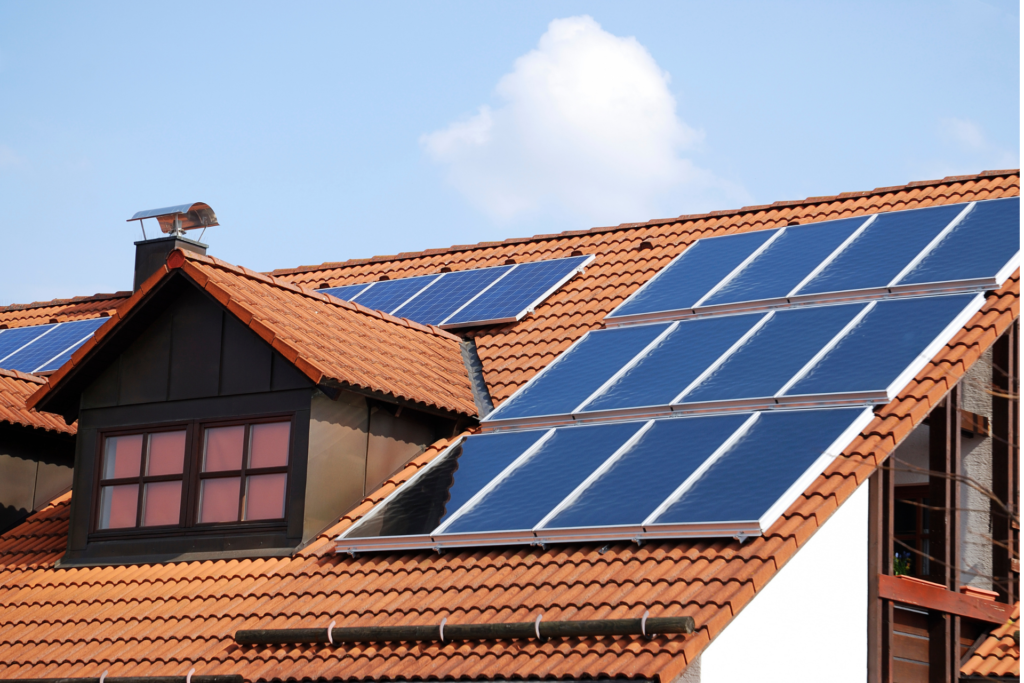
Solar pricing is shaped by the scope of the project, not just the number of panels. System size, roof complexity, shading, electrical work, equipment selection, and optional upgrades all influence the final proposal.
In Hainesport, the cost conversation can change quickly from one property to the next. A more open lot may allow for simpler panel placement, while a home near mature trees or a building with multiple roof planes may need more detailed design work. Some of the same cost variables can appear in Mount Laurel, where larger homes and commercial properties may also require systems matched to heavier energy use. When we prepare a proposal, we evaluate factors such as:
The right payment structure depends on how you want the project to fit your budget. Some property owners prefer to pay upfront, while others want financing that spreads the cost over time. We walk through the options clearly so you can compare payment structure, projected savings, and long-term value before deciding what makes sense.
Solar value is not only a matter of equipment and installation cost. New Jersey incentive programs may improve the financial picture depending on the type of project, the rules in effect when the system moves forward, and how the installation is structured.
During planning, we review available program opportunities alongside expected system production and project cost. That gives property owners a clearer view of total value before deciding whether solar makes sense.

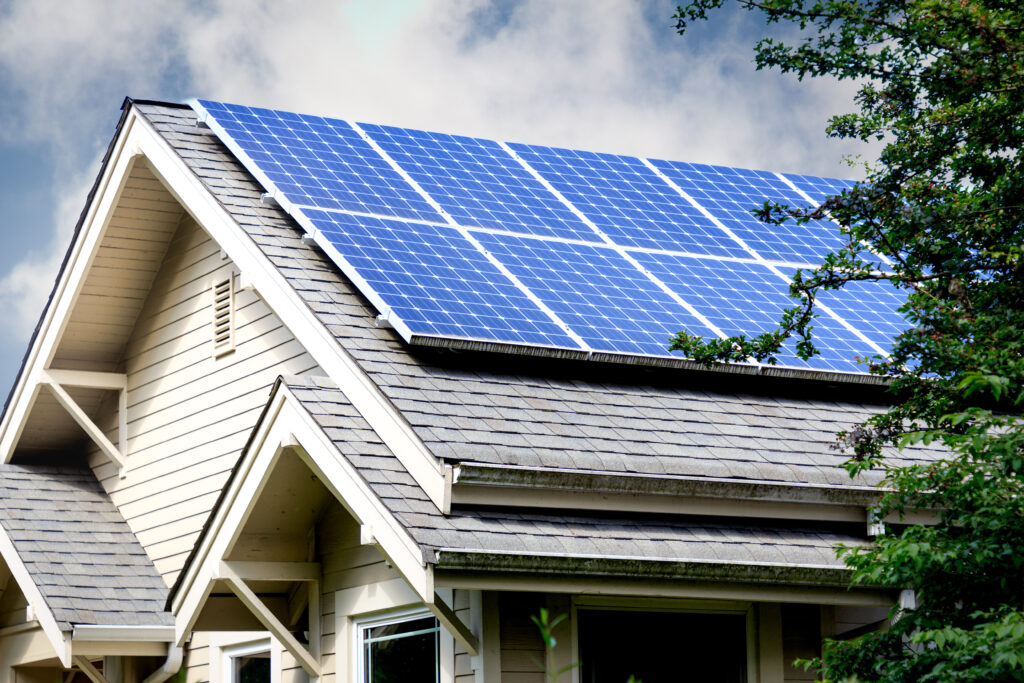
Strong solar performance comes from the way each technical decision works together. Panel specifications matter, but so do inverter strategy, roof geometry, shade conditions, electrical layout, and monitoring access after the system is active.
That level of planning is important across Burlington County, where properties can range from open suburban roofs to homes surrounded by mature trees. For Hainesport properties near wooded corridors or larger lots, the design may need to account for changing shade, roof angles, and future energy goals. Your system planning takes into account:
Warranty details are explained clearly so you understand what is protected at the equipment level, what falls under workmanship coverage, and how that protection applies over time.
Once a system is live, visibility matters more than constant attention. Monitoring helps show how the system is producing and can make it easier to spot changes that fall outside normal seasonal variation.
If support is needed, that may include:
If the system is not producing the way it should after storms, equipment issues, roof work, or unexpected output changes, we can review the data, evaluate the system, and provide solar repair help based on the actual issue.
A strong solar experience is built on more than a proposal with attractive numbers. Property owners need realistic guidance, clear communication, quality equipment, and an installer who understands how site conditions affect long-term performance.
Here’s why homeowners and business owners trust us for solar panel installation:
They can be, but shade needs to be evaluated carefully. Mature trees may affect panel placement, inverter strategy, and expected production, so the site review should confirm whether the roof has enough strong sunlight.
Yes, when the system is sized around actual energy use. Larger homes often have higher electricity demand, so the design should account for roof space, usage history, and the amount of the bill the homeowner wants to offset.
Commercial owners should look at electricity usage, available roof or ground space, electrical capacity, operating cost goals, and how the building uses power throughout the year. Those details help determine whether the system design is realistic.
Yes. Roof direction affects how much sunlight panels can capture throughout the day. A strong design considers orientation, pitch, shade, and usable roof area before recommending system size or layout.
Energy costs are easier to evaluate when the solar plan is based on real usage, real site conditions, and a clear explanation of what the system can produce. For Hainesport homes and commercial buildings, that means looking closely at roof exposure, shade, electrical demand, and long-term goals before recommending a system.